

What is Acne?
Acne is a common chronic skin condition that occurs when hair follicles (pilosebaceous unit) become clogged with oil and dead skin cells, leading to the formation of microcomedones (small “clogged pores” with no opening), blackheads, whiteheads, and other types of lesions.
It can occur on any part of the body but is most commonly seen on the face, chest, and back. The medical term for acne is “acne vulgaris”. Acne can affect not only the skin but also psychological and social well being, particularly when visible blemishes are present.
Therefore, intervention and early acne treatment are important to not only treat acne but also to prevent scarring as much as possible.
What Are The Causes Of Acne?

Genetics
Acne breakouts tends to run in families, so if your parents or siblings have had acne, you may be more likely to develop it.
Hormonal Imbalances
Hormonal changes during puberty, menstrual cycles, pregnancy, and menopause can all contribute to the development of acne.
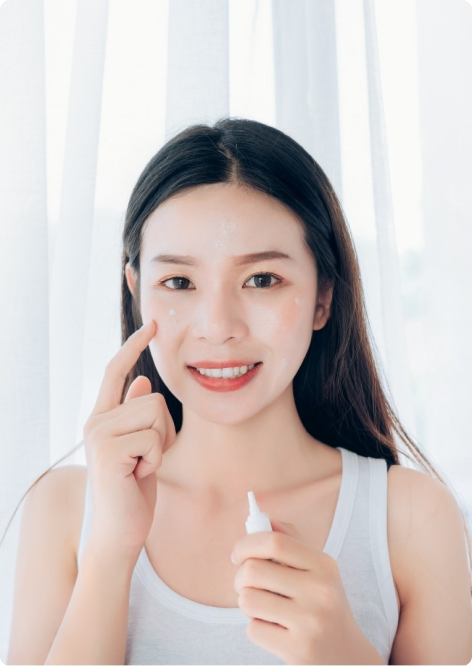
Increased Oil (Sebum) & Skin Cells (Hyperkeratinisation) Production
Bacteria
Cutibacterium acnes (C. acnes) is a type of bacteria that is normally found on the skin but can cause acne when it colonises the follicle. [note: (Propionibacterium acnes was renamed to Cutibacterium acnes in 2016]
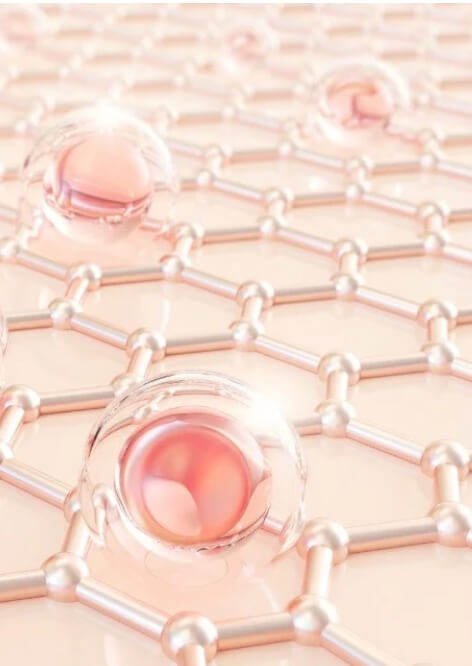
Inflammatory Reaction & Oily Skin
Fungus/Yeast (Pitysporum Folliculitis)
Can be associated with seborrheic dermatitis (on scalp – “dandruff”)
Environmental Factors
Air pollution, temperature, humidity, grease contact (kitchen)
Lifestyle Factors
Diet (dairy, whey protein, sugar), stress (can affect hormones), tight-fitting clothing, hygiene, hair washing/drying habits, picking at lesions, makeup, skin care products, and certain medications can all contribute to the development of acne.
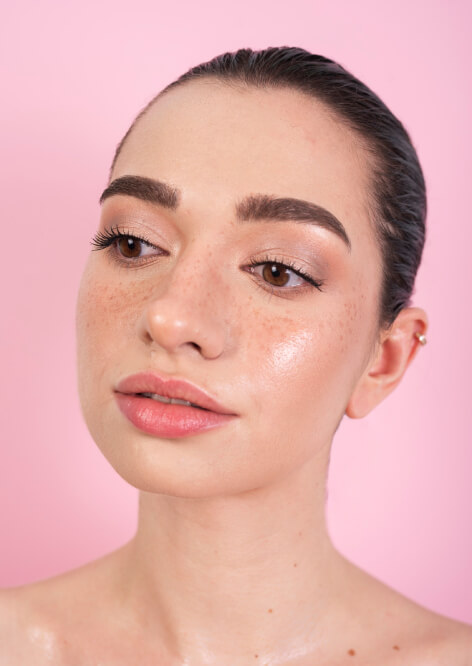
Types of Acne Lesions
Microcomedones
Commonly not visible to the naked eye, they are the precursor to other acne lesions. There is commonly microscopic excess oil and dead skin cells blocking the follicle.
Comedones
Known as clogged pores. Small, raised bumps on the skin, that can be ‘open’ (blackheads) or ‘closed’ (whiteheads) depending on whether the follicle opening is covered or not by the skin.
Papules
Small, red bumps that are raised above the surface of the skin.
Cysts
Similar to nodules in size and depth but are filled with pus and can be softer to the touch. Cysts are often larger than other acne lesions and can be quite painful. (See below above)
Nodules
Larger, more severe lesions that develop deeper within the skin. They are firm, painful, and can be deeply embedded. Nodules are often accompanied by inflammation and may take longer to heal compared to other types of acne lesions. (See above image)
Pustules
Similar to papules, but with a white or yellow centre filled with pus. Commonly with inflammation (redness, pain, swelling) around the lesion. (See image above)
Assessing Acne Problems
Primary assessment of patients with acne starts with a proper history taking. Due to the multifactorial nature of acne, family history, environmental factors, diet, hygiene, makeup/skincare products, stress, physical activity, and medication history need to be evaluated. Close examination of the skin for comedones which can develop into more severe types of acne lesions is required in addition to the assessment of other larger acne lesion types and locations on the face/body.
Examination of the scalp is also needed to rule out any fungus/yeast component that may contribute to acne.
Treatments for acne in Singapore as well as acne scar treatment depend on the severity and types of acne, as well as the individual patient’s skin type and medical history. As acne can also affect children and teenagers, the age-specific safety of certain treatments must also be taken into consideration.
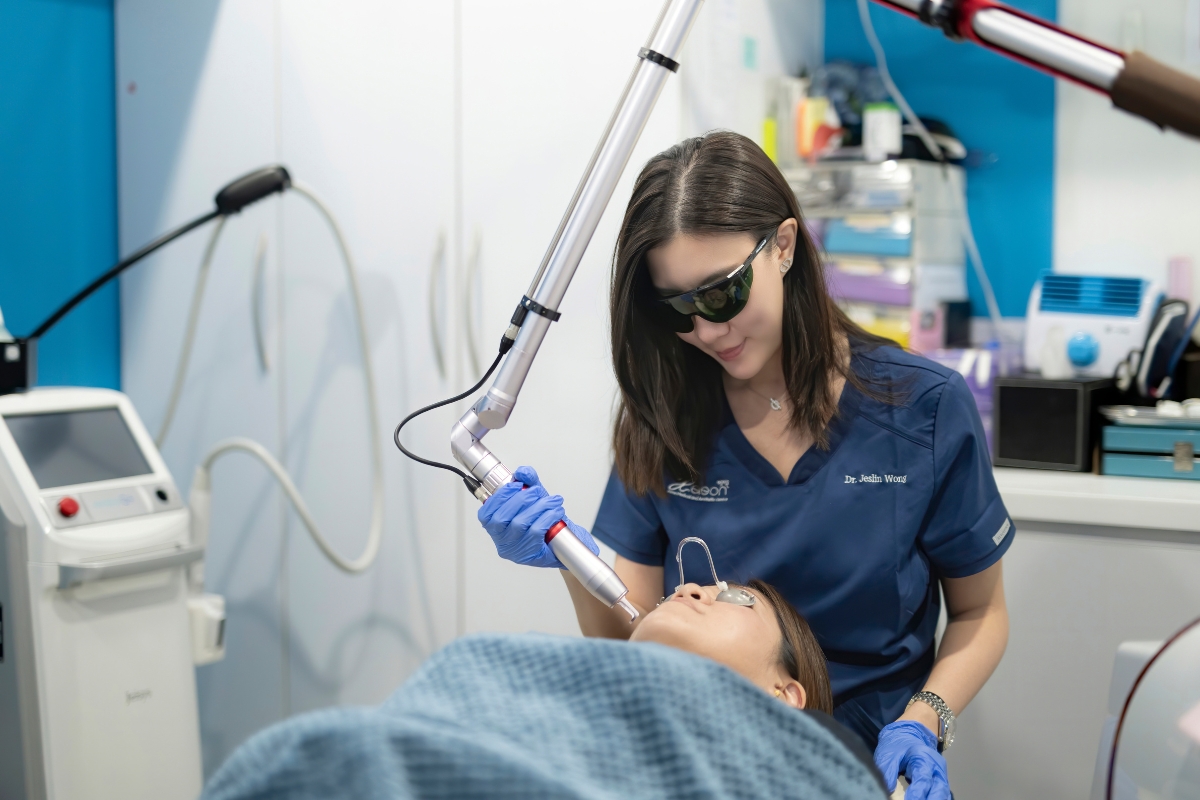
Types of Acne Treatments in Singapore
Acne is a very complex, chronic condition which is challenging to treat and can have long-term effects not only on the skin but also mentally and socially. Cooperation between the patient and the treatment team is important in overall management of acne treatment goals. After these goals are met, maintenance to prevent the recurrence of acne is vital. Once acne maintenance is achieved, treatments on how to get rid of acne scars can be taken into consideration.
Help to prevent and reduce non-inflammatory lesions (comedones). Important in the maintenance stage after treatment goals have been reached. Includes appropriate cleanser, AHA, BHA, benzol peroxide, azelaic acid, adapalene, and retinoids (tretinoin). Topical antibiotics are used to treat mild to moderate inflammatory acne. However, improper use may lead to resistance so they should be used in combination with other regimens and according to instructions by your dermatologist for acne. Topical antibiotics include clindamycin and erythromycin.
Not the “first-line” of therapy unless for severe inflammatory acne with nodules.
- Oral antibiotics including doxycycline, minocycline, tetracycline and erythromycin may be used in the management of moderate to severe acne.
- Oral isotretinoin: for treatment of severe recalcitrant acne. Also, it can be used for less severe acne that is treatment-resistant. This medication is a potent teratogen (an agent that causes malformation of an embryo) and can have other serious side effects. Regular negative pregnancy tests and laboratory blood test monitoring during therapy are required.
- Oral contraceptives: generally considered second-line therapies but may be considered first-line in women with adult-onset acne or perimenstrual flare-ups.
- Hormone therapy: Includes spironolactone. Effectiveness in acne is still unclear but it can be used as a second or third-line agent or in women who cannot take isotretinoin. It is a diuretic (increases urine production) drug which is also a potential teratogen. Potential side effects include menstrual irregularities, breast tenderness, and high potassium levels.
LED, IPL, Pulsed-dye laser, photodynamic, and photopneumatic devices.
Comedone removal (extraction), steroid injections into nodular lesions, and chemical peels.

Consult a Doctor for Acne Management
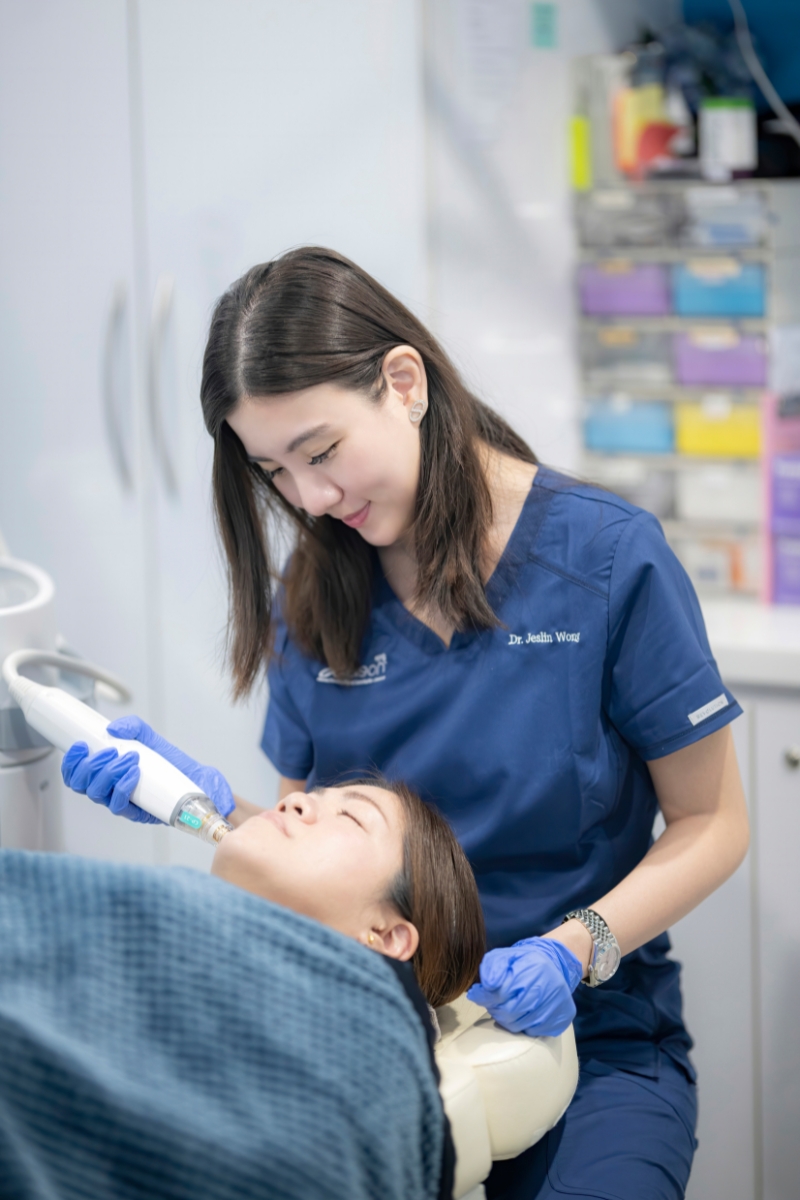
Medical assessment is important in determining suitable management options for acne. With Dr Jeslin Wong’s years of experience as a medical aesthetic doctor, our team will work with you to develop a personalised management plan aimed at reducing the appearance of acne.
By tailoring treatment plans to individual needs and skin types and using evidence-based technologies, our medical team focuses on managing your skin condition.
If you would like to discuss suitable management options, please contact us for a consultation.
Frequently Asked Questions
Pimples and acne are often used interchangeably. However, both of them refer to different skin conditions. Acne is a disease that affects the skin’s hair follicles and sebum-producing glands, whereas pimples are a symptom of acne that appears on the skin when the glands overproduce sebum, causing the pore or follicle to get clogged. Once the pores are clogged, bacteria can cause inflammation that results in the production of a pimple. You may have pimples but not necessarily acne, while on the other hand, if you have acne, it will manifest itself in the form of pimples and other nodules.
If you continuously get pimples and they do not resolve after lifestyle modifications and using over-the-counter acne medication, then you may need to consult a medical aesthetic doctor. In case of a mild case of acne and pimples, they should reduce or start to resolve with home remedies and over-the-counter options. However, if they worsen or remain the same even after 4-6 weeks of usage, then it is a good time to consult an aesthetic doctor in Singapore.
Response to acne treatment can take time, and the pace of change varies depending on the individual and the treatment used. While over-the-counter options may show early changes within weeks in mild cases, management of moderate to severe acne often takes longer.
Prescription medications for acne and other doctor-recommended treatments can take several months to reach their full effect. However, medical assessment can help determine a suitable treatment plan based on the individual’s condition. A doctor can assess your skin type, acne severity and other individual factors to develop a personalised treatment plan.
Acne treatment is a long process that does not clear up in a few days. Each person’s skin is different, and the kind of acne they experience is different. Similarly, the different acne treatments have a varying scope of action, which affects how long it takes for them to work. In general, noticeable changes may take several weeks, depending on the treatment used and individual response. Treatment response should be assessed over time, as outcomes vary between individuals.
When having any kind of acne treatment, if you notice that your skin has cleared but the doctor has recommended additional sessions of the treatment, you should always complete all your sessions. Stopping treatment early may increase the likelihood of recurrence in some individuals. Therefore, maintenance treatment may be considered if recommended by the doctor, depending on the individual’s condition.
To determine a suitable approach to acne management, it is important to identify your skin type and understand the severity of your condition.
How do I know my skin type?
- Wash your face with a cleanser and pat dry. Wait for about 30 minutes to allow your natural oils to return.
- Take a close look at your skin in bright lighting. Here is what to look for:
- Oily: If your face appears shiny, especially in your T-zone (forehead, nose, and chin), you likely have oily skin.
- Dry: If your skin feels tight, flaky, or itchy, you likely have dry skin.
- Combination: If your T-zone is shiny, but your cheeks and other areas feel normal or slightly dry, you likely have combination skin.
- Normal: If your skin feels balanced, neither oily nor dry, and has minimal shine, you likely have normal skin.
- Feel your skin to get a clear sense. Here’s what to look for:
- Oily: Your skin might feel greasy or slick throughout.
- Dry: Your skin might feel rough, tight, or uncomfortable.
- Combination: You might feel dryness in some areas and oiliness in others.
- Normal: Your skin should feel smooth and supple without any tightness or excess oil.
Option Two: Blotting Paper Test
If you are having trouble determining your skin type, get some blotting paper, also called oil-absorbing paper. Here’s how to check your skin type:
- Wash your face with a gentle cleanser and pat it dry. Wait for about 30 minutes.
- Press a clean blotting sheet firmly onto different areas of your face, including your forehead, nose, cheeks, and chin.
- Hold the blotting sheet up to the light and observe the amount of oil absorbed:
- Oily: The paper will be visibly oily throughout.
- Dry: The paper will show minimal to no oil absorption.
- Combination: The paper will show oil primarily in the T-zone and minimal or no oil elsewhere.
- Normal: The paper will show a small amount of oil absorption evenly across the face.
How do I know if my acne is severe?
There are a few things to consider to determine the severity of your acne.
Step One: Consider the type of acne you have
There are different types of acne. While you might experience more than one kind of breakout at the same time, it’s important to try to get a sense of the types of acne that are causing the biggest issue. Here’s what to consider:
- Non-inflammatory: Primarily blackheads (closed comedones) and whiteheads (open comedones).
- Inflammatory: Papules (small, red bumps), pustules (white-headed pimples filled with pus), nodules (larger, deeper, and painful bumps), and cysts (large, pus-filled sacs).
Step Two: Evaluate the number and distribution of lesions
A major aspect of acne severity is to look at how many breakouts you’re dealing with. Here’s how we classify acne:
- Mild: A few scattered comedones and occasional papules or pustules, mainly on the T-zone (forehead, nose, and chin).
- Moderate: More widespread comedones, with numerous papules/pustules, possibly on your cheeks and other areas.
- Severe: Numerous inflammatory lesions, including papules, pustules, nodules, and cysts, often covering larger areas and potentially leaving scars.
Step Three: Assess the impact on your life
Ance is often more than just how you look. Dealing with skin problems can have a major impact on your self-esteem. Whether it’s about comments from friends and family or just the way you feel when you’re looking in the mirror, your self-image is a key part of mental health, and it is essential to acknowledge how your acne could be affecting you. Here’s what to consider:
- Mild: Minimal impact on self-esteem and daily life.
- Moderate: This may cause some emotional distress and affect social interactions.
- Severe: Significant impact on self-esteem, causing emotional distress and potentially affecting daily activities.
If you find that acne is seriously affecting your self-image, it’s time to see a doctor for acne.
Disclaimer
The information provided on this website is for educational purposes only and is, in no way, intended to be a substitute for professional medical advice, diagnosis, or treatment. We make no representation or warranty of any kind regarding the accuracy, availability, adequacy, or validity of the information or procedures outlined on the website. Always consult professional medical and aesthetic advice for your skincare and medical concerns.
References:
- Elika Hoss, MD, Assistant Professor of Dermatology, Mayo Clinic, Scottsdale, AZ, "Acne - self-care", National Library of Medicine, 2024, https://medlineplus.gov/ency/patientinstructions/000750.htm
- John Kraft, MD and Anatoli Freiman, MD, "Management of acne", National Library of Medicine, National Center for Biotechnology Information, 2011, https://www.ncbi.nlm.nih.gov/pmc/articles/PMC3080563/
- "Acne: Diagnosis, Treatment, and Steps to Take", National Institute of Arthritis and Musculoskeletal and Skin Diseases, https://www.niams.nih.gov/health-topics/acne/diagnosis-treatment-and-steps-to-take
Contact Us
Call us anytime
Talk to our friendly AEON team by filling out the form. We will get back to you within 2-3 working days. For a faster response, contact our hotline below.
9 Scotts Rd, #06-01/02/03 Scotts Medical Centre, Pacific Plaza Singapore 228210